Reading Efficiency Grades
How to read the grade, power consumption, and annual energy cost on the energy efficiency label
This page contains Coupang Partners affiliate links; the operator may earn a commission.
7 articles in this topic
- Reading Efficiency Grades
Read the Efficiency Grade and Rated Power Consumption of an Electric Rice CookerKeep a rice cooker's efficiency grade and rated W separate from the actual energy used for cooking and keeping warm. The official figures of two Cuckoo 6-cup models are compared in one table.

- Reading Efficiency Grades
Read the Efficacy (lm/W) Rating on LED Lighting ProperlyLED lm/W is a figure for the amount of light per unit of power. Check the luminous flux, socket, and dimmability of two Philips 8W candidates at different color temperatures together.

- Reading Efficiency Grades
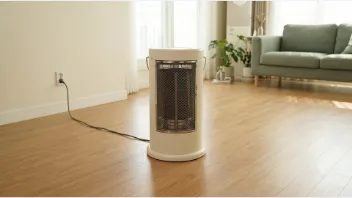
Check How an Electric Heater's Minimum Efficiency Mark Differs from the Regular GradesThe standard-met mark in the electric heater list is not a rank from grade 1 to 5. Read the agency's efficiency level separately from the official power consumption of two Shinil models.
- Reading Efficiency Grades
Check the Standby Power Marks on Products Before You BuyStandby power is checked with the warning mark (mandatory for products that miss the standard) and the Energy Saving Mark (voluntary for those that meet it). Here is how the two differ and how to search.

- Reading Efficiency Grades
Read the Monthly Power Consumption on a Refrigerator's Energy Efficiency LabelA refrigerator label shows the grade and monthly power consumption, and the Korea Energy Agency product search list shows this value in kWh/month. This covers the annual energy cost formula and how to compare.

- Reading Efficiency Grades
Compare How Much Less Electricity Grade 1 Uses Than Grade 5The Ministry of Trade, Industry and Energy says grade 1 uses 30 to 40% less than grade 5, and its air conditioner notice says 30 to 50%. Here is how to read those figures.

- Reading Efficiency Grades
Check What Is Printed on the Energy Efficiency Grade LabelGrades run from 1 to 5, and a lower number means higher efficiency. This covers the label's power consumption and annual energy cost items and how to look products up.

Product information
Candidates compared in our articles
-
Cuckoo IH Electric Pressure Rice Cooker CRP-DHP0610FD
-
Philips LEDBulb 8W E26 3000K A60 1PF/6 KR
-
Shinil Cylindrical Electric Heater SEH-D800KP
-
Hyundai Electric Domestic Power Strip, 6 Outlets, Individual Switches, 10m, 16A
-
LG DIOS Objet Collection Refrigerator S834MEE111
-
LG DIOS Refrigerator G646GBB031
Check price and stock at the link. Criteria and comparisons are in each article.
As part of Coupang Partners activities, the operator receives a commission from qualifying purchases at no extra cost to you.